
Angola's 2026 IMF verdict: growth held, deficit slipped
The Fund signed off on Angola's 2026 budget while flagging a 4.1% deficit, a thinning current account, and a banking system still tied to the sovereign.
Power, policy and capital in Africa's second-largest oil producer: politics and institutions, the economy, energy and resources, governance and integrity.
7 articles · All Angola coverage
The Fund signed off on Angola's 2026 budget while flagging a 4.1% deficit, a thinning current account, and a banking system still tied to the sovereign.
The Fund signed off on Angola's 2026 budget while flagging a 4.1% deficit, a thinning current account, and a banking system still tied to the sovereign.

Sixteen billion dollars of debt service in one year, a 45% debt-to-GDP target, and a repayment cluster that runs to 2029.
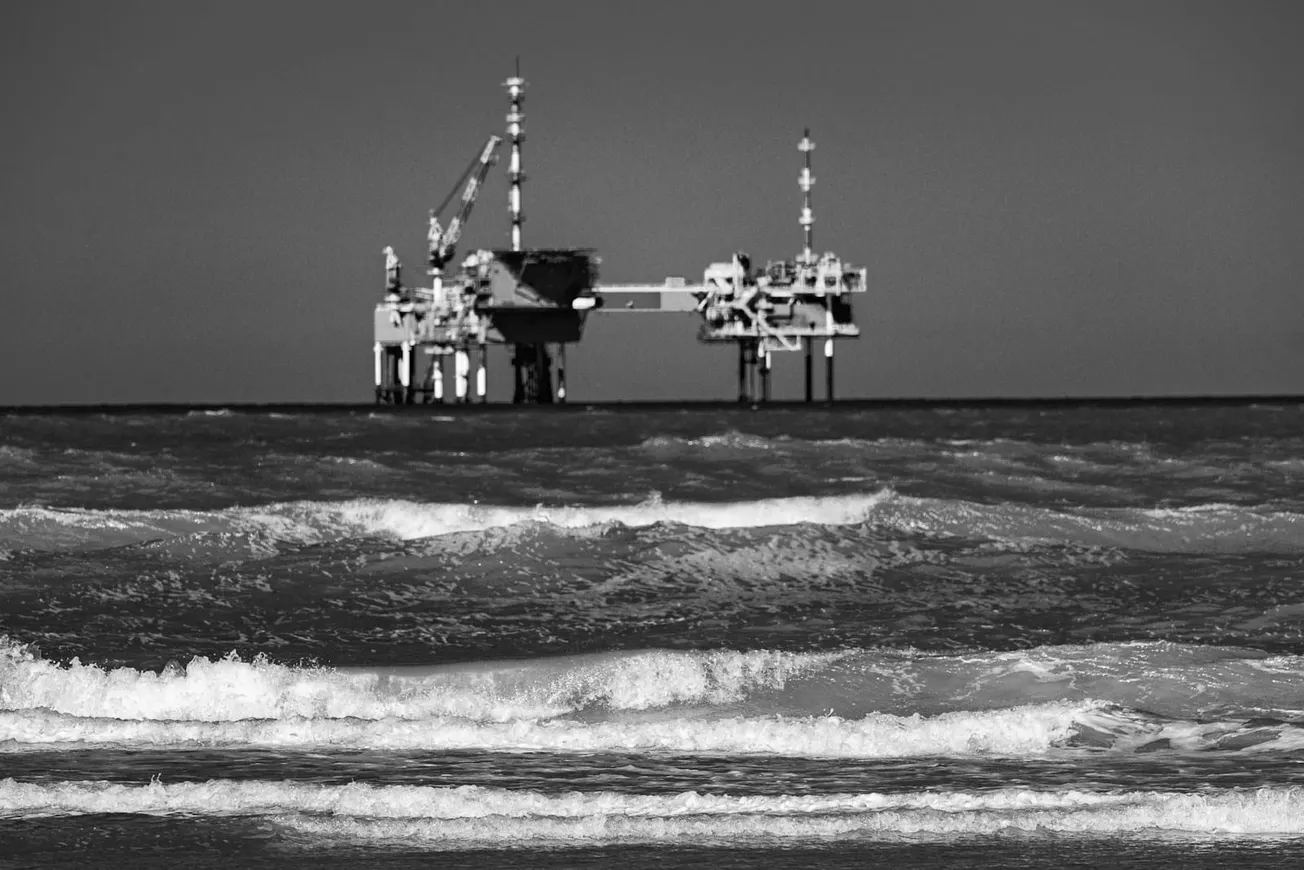
Oil output is being defended, not grown. Gas has started, non-oil GDP is outpacing the wells, and the budget still runs on crude.

Endiama hit its production targets and missed its revenue targets. The gap between carats and dollars is the real story of Angola's diversification bet.
The Fund signed off on Angola's 2026 budget while flagging a 4.1% deficit, a thinning current account, and a banking system still tied to the sovereign.
Sixteen billion dollars of debt service in one year, a 45% debt-to-GDP target, and a repayment cluster that runs to 2029.
Oil output is being defended, not grown. Gas has started, non-oil GDP is outpacing the wells, and the budget still runs on crude.
Endiama hit its production targets and missed its revenue targets. The gap between carats and dollars is the real story of Angola's diversification bet.
Oil output is being defended, not grown. Gas has started, non-oil GDP is outpacing the wells, and the budget still runs on crude.
Endiama hit its production targets and missed its revenue targets. The gap between carats and dollars is the real story of Angola's diversification bet.
Sixteen billion dollars of debt service in one year, a 45% debt-to-GDP target, and a repayment cluster that runs to 2029.
Oil output is being defended, not grown. Gas has started, non-oil GDP is outpacing the wells, and the budget still runs on crude.
Grey-listing is not a sanction and does not require enhanced due diligence by itself. It still raises the cost of every dollar that crosses a border.

There are two chairs, not one. Confusing them is why AU decisions are so often misattributed.
The New Axis Brief: our free weekly email on what was promised, implemented and observed in Angola and its connected African markets.